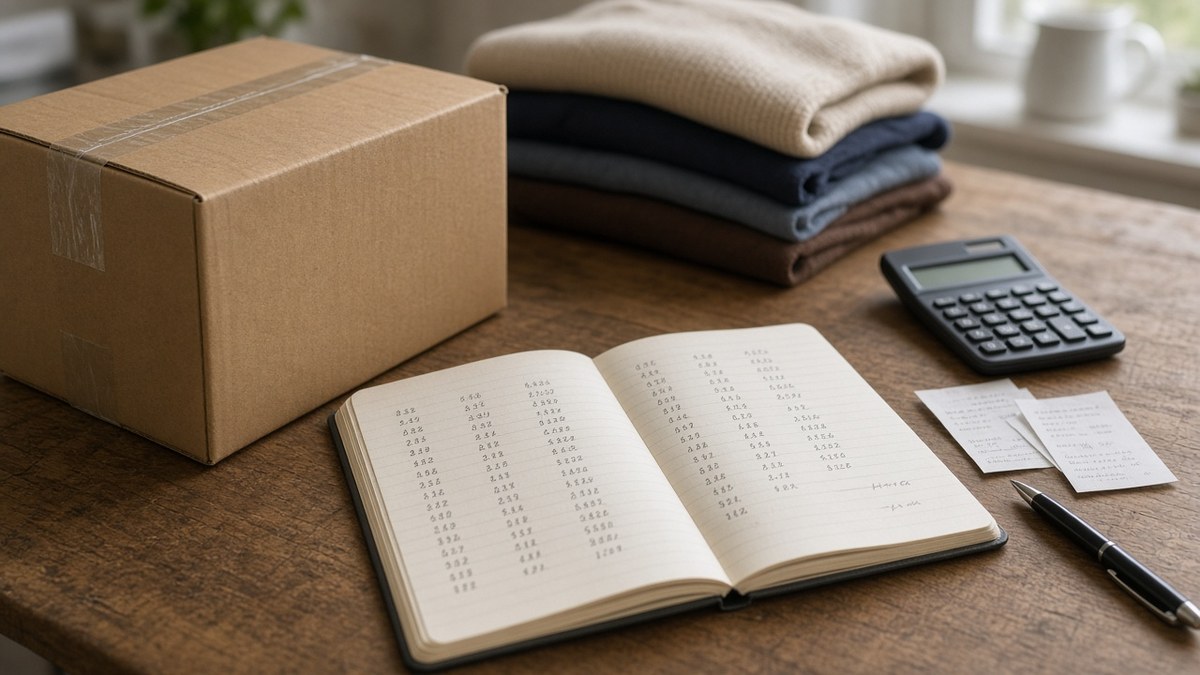
Side Hustle Tax UK: The £1,000 Trading Allowance and the Vinted & eBay Rules, Explained
This post contains Amazon affiliate links. If you buy through them, Found It First may earn a small commission at no extra cost to you.
Every January the same rumour goes round: “HMRC is taxing Vinted now.” It isn’t. But there are real rules about extra income, and they’re simpler than the scare stories suggest. I went through the official GOV.UK guidance so you don’t have to, and here’s what it actually says, in plain English.
This is general information, not personal tax advice. If your situation is complicated, speak to HMRC or a qualified accountant.
The short version
- Most people can earn up to £1,000 a tax year from side hustles without telling HMRC. That’s the trading allowance (HMRC Tax Confident).
- Selling your own unwanted stuff (the contents of your loft or wardrobe) is unlikely to be taxable at all (GOV.UK).
- Platforms like Vinted and eBay now report some sellers to HMRC. Being reported doesn’t automatically mean you owe tax.
What the £1,000 trading allowance covers
The trading allowance is a tax exemption of up to £1,000 a year for income from:
- self-employment
- casual services, such as babysitting or gardening
- hiring out personal equipment, such as power tools
If your gross income from these is £1,000 or less in a tax year (6 April to 5 April), you usually don’t need to tell HMRC at all (GOV.UK: tax-free allowances).
“Gross” is the important word. It’s the money coming in before you take off costs. If you sell £1,200 of handmade candles but spent £400 on wax, your gross income is £1,200, not £800.
What happens above £1,000
If your gross trading income goes over £1,000, you need to register for Self Assessment and file a tax return (GOV.UK). You then choose one of two options:
- Deduct the £1,000 allowance from your income, or
- Deduct your actual expenses instead.
You can’t do both (HMRC SA103F notes 2026). HMRC’s own tip is to add up your expenses first: if they’re more than £1,000, claiming them is usually the better deal (Tax Confident).
When you can’t use it
The allowance doesn’t apply to income from your employer (or your spouse’s employer), or from a company or partnership you or someone connected to you controls (GOV.UK). So you can’t, for example, do “side work” for your own boss and call it tax-free.
The Vinted and eBay rules: what really changed
From 1 January 2024, digital platforms have to collect details about some sellers and report their sales to HMRC each January (GOV.UK).
Your details won’t be reported if, in a calendar year, you:
- make fewer than 30 sales of goods, and
- receive less than €2,000 (about £1,700) for them.
Go over either line and the platform will report you, and it has to send you a copy of what it reported.
Here’s the bit the rumours miss. HMRC itself says this is “not a new tax” and that being reported “does not automatically mean you need to complete a tax return” (GOV.UK: Information for online sellers).
Note that the 30-sales exception only covers goods. If you sell services or rent out property through a platform (holiday lets, for example), the platform can report you whatever the numbers (GOV.UK).
Clear-out or trading? The question that matters
HMRC draws the line like this:
- Selling personal items from home, like a loft or garage clear-out, means you’re “unlikely to pay tax”.
- Buying or making goods to sell at a profit means you’re “likely to be trading”, and the trading allowance rules above apply.
So someone selling their kids’ outgrown clothes is in a very different position from someone buying job lots at car boot sales and flipping them. The second one is a side hustle, and that’s fine, but it counts.
(There’s also capital gains tax on selling valuable personal possessions, which is a separate subject. If you’re selling something expensive, check GOV.UK’s capital gains guidance.)
Renting out space rather than selling things? That’s covered by a separate £1,000 property allowance, which we explain in our guide to renting out your driveway.
Three habits that make this painless
1. Keep simple records from day one
Even under £1,000, GOV.UK says you must keep records of this income. A spreadsheet with the date, item, sale price, fees and postage is plenty. A free app or a cheap receipt scanner saves time once you’re doing a few sales a week.
2. Keep the platform’s annual report
When Vinted or eBay sends you a copy of what they reported, file it. HMRC says it’s meant to help you keep track of your earnings. Be aware it covers a calendar year, while tax years run from 6 April, so you may need to split the figures (GOV.UK).
3. Check, don’t guess
If you think you’ve gone over £1,000, HMRC has an online checker for income from online platforms, linked from the GOV.UK selling guidance. If you need to register for Self Assessment, you can do it at gov.uk/register-for-self-assessment.
Tools that genuinely help
You don’t need to buy anything to follow these rules. If your side hustle is growing, though, these make record-keeping easier:
- A bookkeeping app for sole traders. Many link to your bank and tag income automatically. Compare options before committing, since free tiers vary.
- A small receipt scanner or a scanning app to stop paper piling up. (see receipt scanners on Amazon)
- A postage scale, so you price shipping right and don’t eat the difference. (see postage scales on Amazon)
Told straight
The £1,000 trading allowance is one of the most useful things HMRC offers people starting out. Clear out your wardrobe on Vinted and you almost certainly owe nothing. Start buying to resell and you’re trading: keep records, watch the £1,000 line, and register if you cross it. No panic required.
Figures checked against GOV.UK guidance in October 2026. Rules can change, so always check the linked pages for the latest.
One Comment